Skip to content

Claire Fuge

From the Journal

Reflections on medieval Wales, the women history forgot, and the real places that inspire Claire Fuge’s fiction.

Here you’ll find notes on the world behind The Siren’s Daughter, from castles and chronicles to the Tewdwr family’s journey from Deheubarth to the Tudor dynasty. Claire will also share updates on her writing, research, events and future books.

Filter by category

The Knight In Thrall
Resources for Book Clubs
The Siren's Daughter
The Knight In Thrall

The Knight In Thrall

So, tomorrow is the day when I begin the sequel to The Siren’s Daughter. Its provisional title is The Knight in Thrall. I love this title so much that it will hopefully sustain me during the tough writing days. I’m sure it won’t survive to the end, however, because apparently (according to the Fuge family focus group) no-one under the age of 50 knows what it means. Ah well. It’s enough for now.

This book will be set principally in the year 1136. And for those unsure about the oral history style of The Siren’s Daughter, I’m glad to tell you that it will be written in straight live action style. The massive amount of history which happened in this year means that there is no need for a dual timeline. There are a lot of chapters, and they will be PACKED with events.

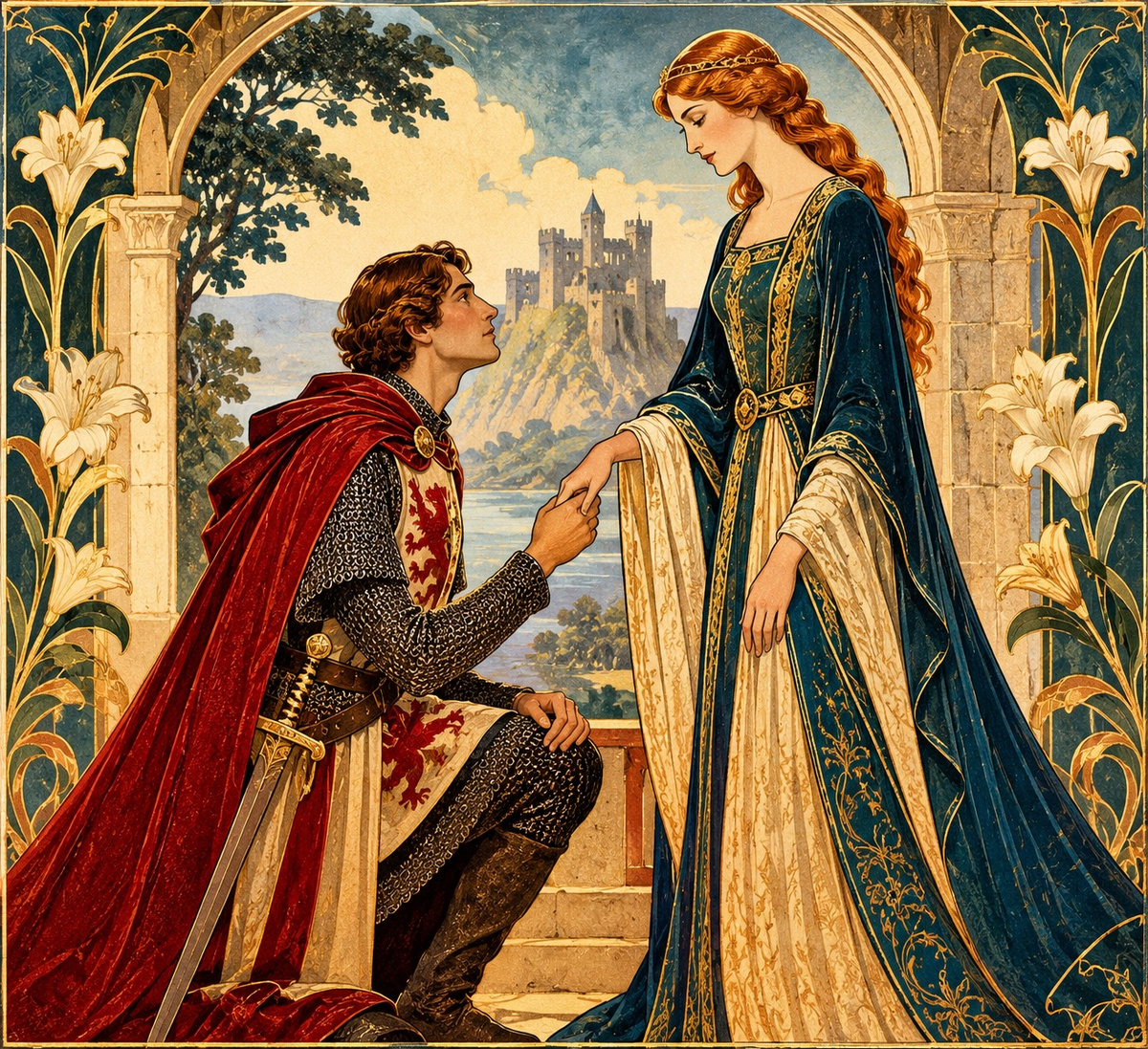
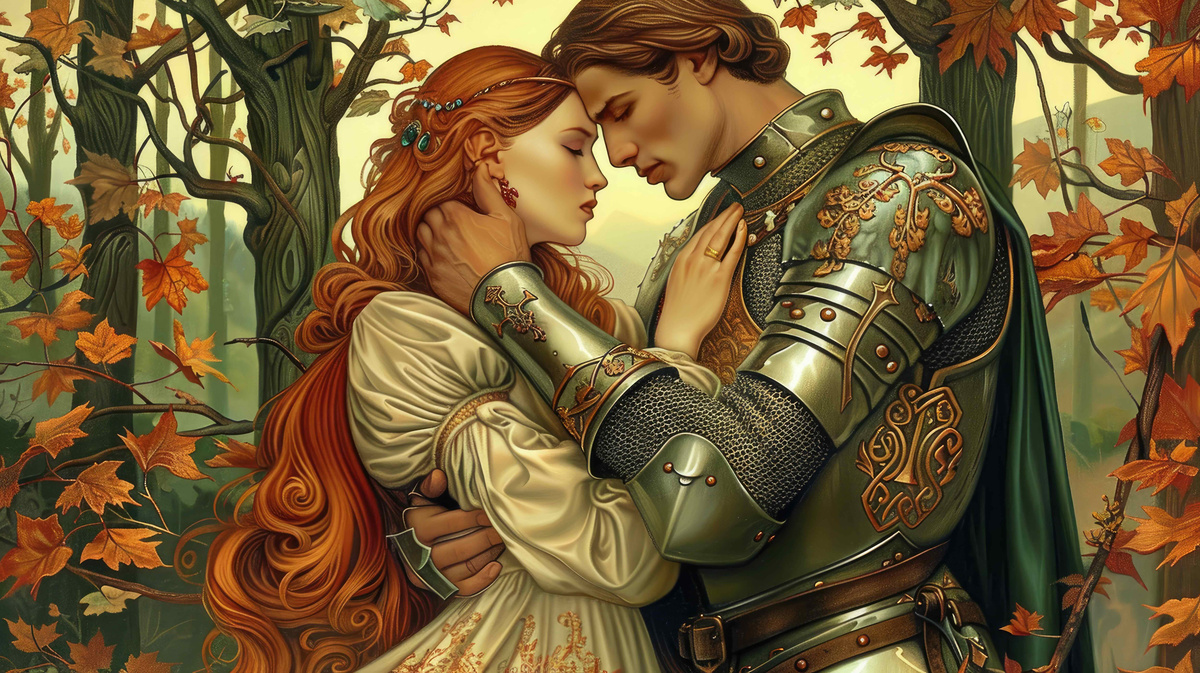
For The Knight in Thrall, I am going to try to be bold enough to write an epic medieval love story – one with a knight, a fair lady, a castle and a war. There will be travel across turbulent Welsh kingdoms, tragic partings, unexpected reunions and devastating reversals on the battlefield. There will be beautiful love scenes, no doubt, and high emotional drama. The central questions will be: Does true love conquer all? Is it enough to sustain a marriage, if your husband is impelled by his conscience and his religion to do terrible things to your family? And … how much forgiveness can true love inspire – or is there a point at which, even for a passionate, once-in-a-lifetime love, some actions become unforgiveable and vengeance must take over?

The backdrop to the novel will be the beginnings of the Anarchy, the civil war which ripped England and Wales apart after the death of King Henry I.

And the start of the novel? A scene of medieval childbirth, of course. Spoiler alert – giving birth in a draughty wooden castle in the Middle Ages was not as enjoyable as one might think. Even the pinnacle of pain relief for the most privileged women (kissing a manuscript, blessed and illustrated with a newborn baby) sometimes failed.

It will take me at least two years to finish this novel, given the amount of research required and my hectic day job. But I’m going to take the first step tomorrow. After that, we’ll see.

Into battle. I’ll keep you posted. Wish me luck.

The Siren's Daughter

Thank you

4 Oct 2026

Some wonderful things have happened since The Siren’s Daughter was published at the end of June.

First, the reviews. An influx of five-star reviews, sharing heartfelt reactions to the story, some of which have picked up on aspects of the book even I hadn’t consciously registered. I feel like I am learning about my own writing from them. I can’t wrap my head around it. How it is possible that a stranger would take the time to praise - on an anonymous platform, no less - a book that has touched them? It’s astounding.

Then the media. Featuring in Female First. Appearing in news articles across Wales, from the Western Telegraph to the Tenby Observer. I’m still reeling from the experience of being interviewed live on Radio 4 Woman’s Hour, alongside renowned Oxford historian Dr Emily Winkler. I loved speaking with Roy Noble on BBC Radio Wales; you can hear the widest grin in my voice. Wow.

Finally, the sales. Independent bookshops all over Wales are stocking the book. And it’s selling. I feel a sense of euphoria, waking up each morning knowing that my book is in the shops at Carew and Pembroke Castles. And when we ran out of stock and went into the first reprint, then the second reprint? When the book entered the top 1,000 all-category bestseller list on Amazon UK? When it became the top 4 seller in the whole medieval historical fiction category for the UK … and even entered the top 5,000 bestseller list on Kindle in the United States, where it has had zero marketing of any kind? And then made the long list for the Chaucer Awards. Well. It’s impossible to describe the feeling.

Whatever happens next, support for The Siren’s Daughter has exceeded my wildest dreams.

So: thank you.  

The Siren's Daughter

The Normans versus the Tudors

The war at the heart of The Siren's Daughter

1 Oct 2026

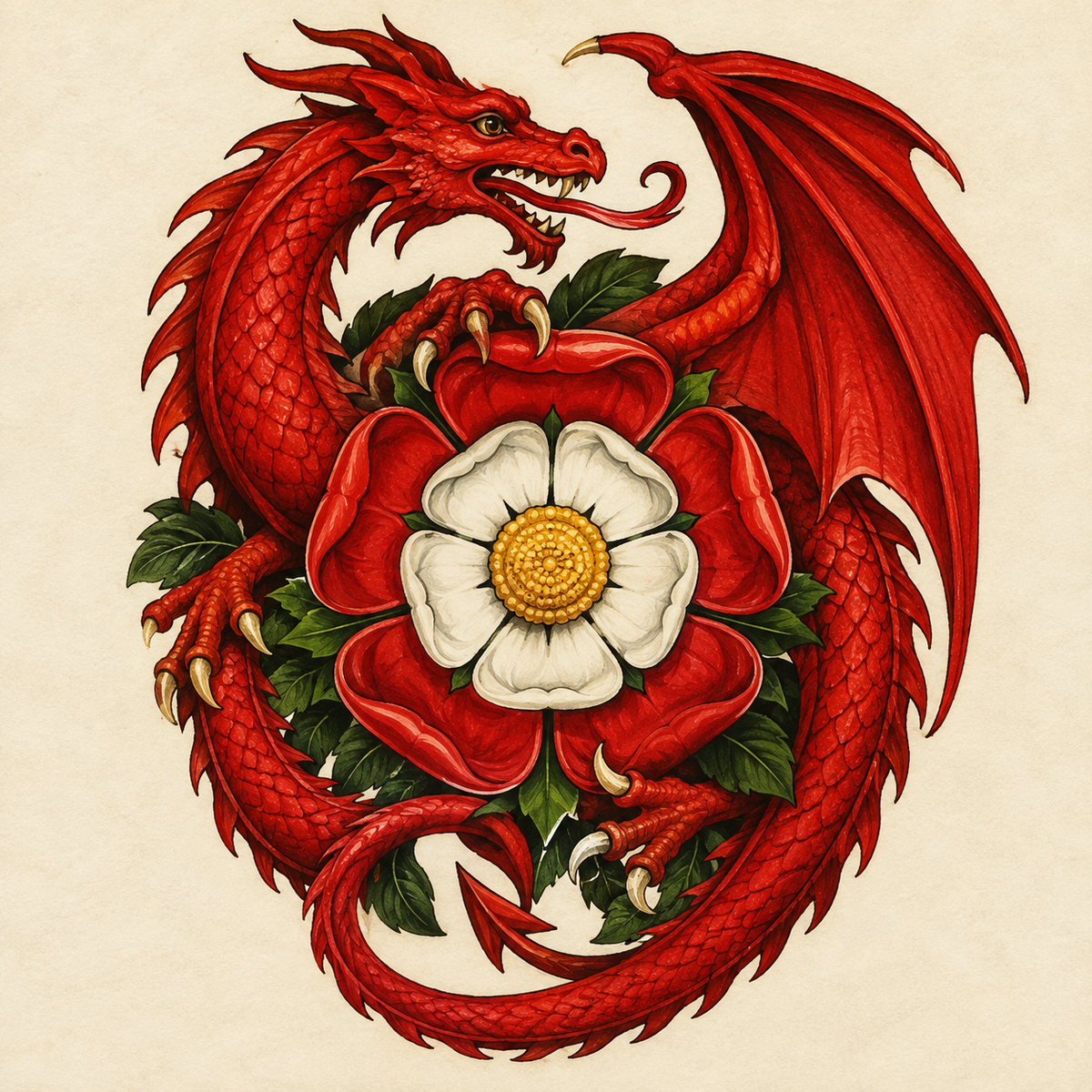
The part of The Siren’s Daughter which makes me the happiest is the fact that Nesta and Angharad’s family were the ancestors of the Tudors.

I love that this novel is essentially about a war between the Normans and the Tudors.

Of course, the characters in The Siren’s Daughter could not discuss this marvellous truth, because in their time (1126), the rise of the Tudors was hundreds of years in the future, and they had no idea that their descendants would one day seize the throne of England and put an indelible mark upon the world.

But, still, I like to think about it.

You might notice a few glancing references to the ‘descendants of Rhys ap Tewdwr’ that I enjoyed scattering into the text. And that a few of the novel’s characters have the trademark Tudor red hair.

Remarkably, some of the key hallmarks of the Tudors – the ruthlessness; the recklessness; the tendency towards infighting and backstabbing each other; and, above all, the extraordinary talent for self-publicity – were already evident amongst the characters in The Siren’s Daughter, almost all of whom are based on real historical figures.

Many people do not know that the Tudor dynasty (with Henry VIII, Elizabeth I and their assorted flamboyant relatives) was originally Welsh. 

Nor is it much known that the Tudors originally rose to prominence in the twelfth century as an early medieval Welsh royal family, dispossessed of their throne by the Normans, leading resistance to the Norman Conquest.

The original spelling of the name was Tewdwr. It was derived from Celtic words meaning ‘people’ and ‘king’. Princess Nest’s grandfather bore the name, and so her father was known as Rhys ap Tewdwr (Rhys, son of Tewdwr).

The name was used by the family on and off over the generations, as a forename or a patronymic, until Owain ap Maredudd ap Tudur adopted the name Tudur as a fixed surname in the 1420s.

Then, it morphed into the more anglicized spelling Tudor when the family joined English court politics, sometime after Owen Tudur married Catherine of Valois in 1428 or 1429.

But in The Siren’s Daughter, all of this was an unimaginable future.

The only thing my characters knew was that their bloodline - which contained the occasional son who bore the name Tewdwr - was in dire peril. And that to fight back against the Norman Conquest was the only way to survive. And that not every member of their family would be lucky enough to live a long and prosperous life.

Moonlit book club
Resources for Book Clubs

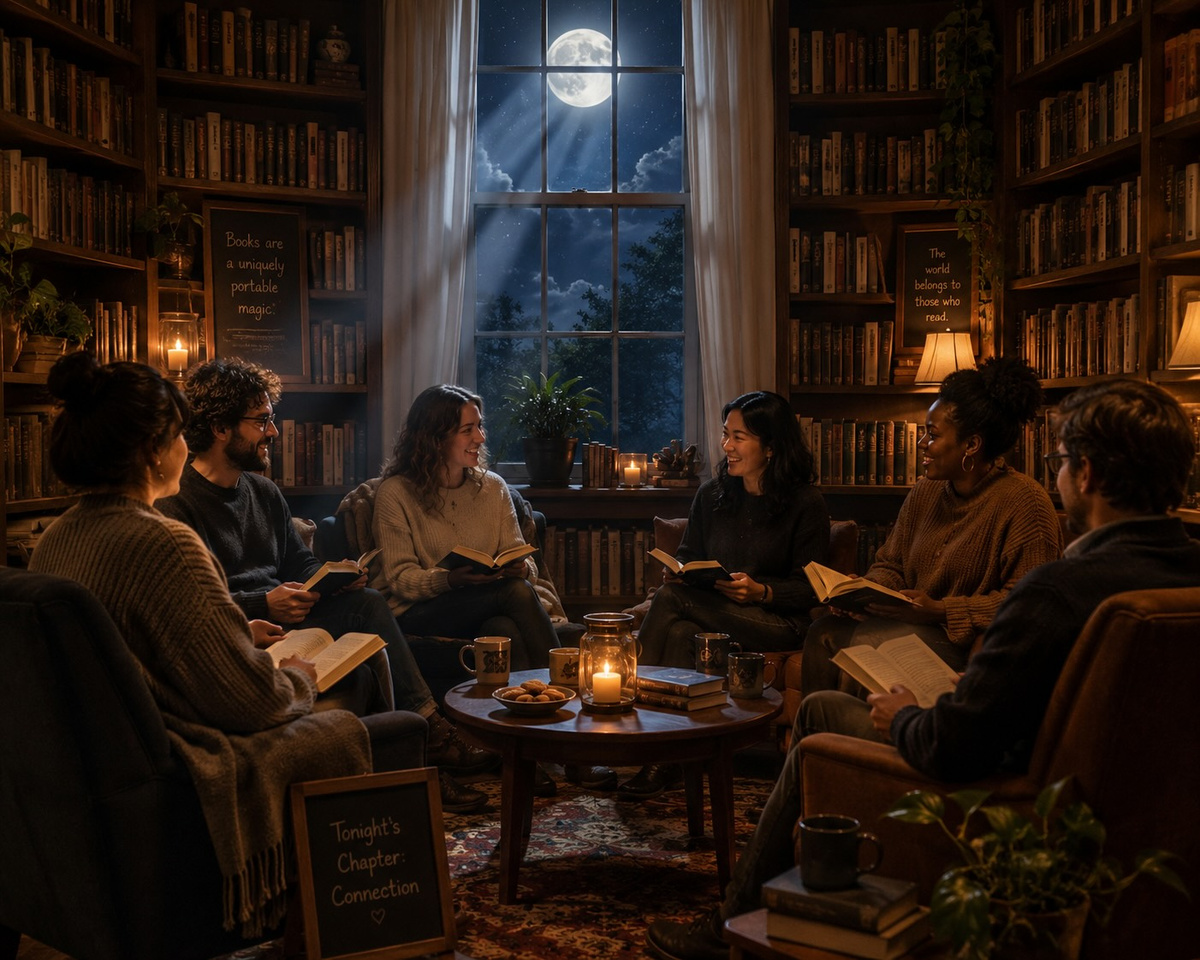
Reader’s Guide for Book Clubs: The Siren's Daughter

8 Aug 2026

Special thanks to readers who have asked for this ... I am beyond delighted to provide it.

Genre: Historical Fiction | Setting: 1126, Norman-occupied West Wales

1. Book Summary

Set against the backdrop of the brutal Norman conquest of Wales, the novel follows 19-year-old Angharad. Born to a Norman knight and the legendary Welsh princess Nesta (Nest ferch Rhys), Angharad is caught between two worlds. When she arrives at Aberteifi Castle, her merciless new stepfather, Étienne, presents her with a fatal dilemma: expose her mother as a secret Welsh rebel, or face death. 

To survive, Angharad must unpick Nesta’s true loyalties. She compels Nesta to reveal her scandalous and tragic past as a captive princess, the seductress of kings, and a political pawn.

2. About the Author

Claire Fuge lives near Carew Castle in Pembrokeshire, West Wales, which was originally built for the real-life historical figure, Princess Nest of Deheubarth. She wrote The Siren’s Daughter after walking her dog around the ruins and wondering why we rarely hear about the women’s side of the Norman Conquest.  

3. Core Themes for Discussion

·       Dual identity & divided loyalties: Angharad's struggle to balance her Norman upbringing with her Welsh heritage, at a time when the Normans and the Welsh were locked in a brutal war against each other.

·       Female agency in medieval times: How noblewomen used limited resources— secrets, stories, rumours, and alliances— to survive in a claustrophobic world governed entirely by men.

·       Collaboration and the cost of survival: The painful choices required of the conquered women – and the compromises, sacrifices and betrayals they were compelled to make if they wanted to survive.

4. Character Breakdowns

·       Angharad: The 19-year-old protagonist. She begins as a pious Norman monarchist but grows into an active participant in her family's dangerous legacy.

·       Nesta (Princess Nest ferch Rhys): Angharad’s mother. A fiercely complex woman known for her relationships with kings and princes, haunted by the trauma of her past, and harbouring secrets of a hidden Welsh resistance.

·       Étienne: The calculating Norman commander of Aberteifi Castle, who uses domestic rule, psychological manipulation, and loyalty tests to dominate his household - but who also has moments of vulnerability and kindness.

5. Open-Ended Discussion Questions

Mothers & Daughters

·      Angharad is raised to view the Normans as the rightful rulers, while her mother views them as hostile invaders. How does Angharad’s perspective shift as she uncovers Nesta's past?

·      Nesta is historically called the ‘Siren’ and ‘Helen of Wales’ because of her beauty and the fact that her abduction sparked a war. How did seeing her through Angharad’s eyes define your view of her? 

·      Does the title The Siren's Daughter imply that Angharad inherited her mother's charismatic and manipulative tendencies, or is she charting a different course?

·      What does the book’s title The Siren’s Daughter mean to you by the end?

·      Angharad must choose between betraying her mother and being destroyed by her stepfather. In 1126, would you have made the same choice she made?

Storytelling & Silences

·      Much of this book consists of oral storytelling. What impact did that have?

·      Angharad believes that Nesta is telling the story of her life as a gift of love and a way of bidding farewell. Did Nesta’s storytelling ever feel more like a weapon?

·      How is the book affected by the stories Nesta does not tell? 

·      If you have read Lady of Lincoln by Sophie Perinot or the works of Elizabeth Chadwick, how does this book compare?

History & Politics

·      Étienne uses psychological control rather than physical violence to manipulate Angharad. How does the author build tension, looming political threat and a claustrophobic atmosphere within the castle walls?

·      In Chapter 12, the author describes a harrowing ordeal by water inside the castle. How does this historical ritual mirror the broader themes of judgment and justice in the book?

·      Historians sometimes either overlook or overstate medieval women's political contributions. In which ways are Nesta and Angharad able to rebel against the Norman Crown, within the limits of the agency they have?

·      What surprised you most about 12th century Wales versus England in 1066?

·      Does knowing that Angharad’s family were the ancestors of the Tudors change the way that you see the events in this book?

·      Which events do you think Claire Fuge invented versus what is in the historical record? Does it matter if the emotional truth is authentic?

6. "Beyond the Book" Ideas

·       Explore the Welsh language: Listen to an audio recording of spoken Welsh – for example, a narrated Welsh folktale or rap music.

·       The real history: Explore the historical family tree of the Tewdwrs and the transformation of the family into the Tudor dynasty.

·       Welsh heritage tasting: Pair your discussion with traditional Welsh cakes or Bara Brith (tea bread).


The Siren's Daughter

Medieval Women beyond Romance

Why I didn’t let Nesta fall in love with her conqueror

19 Jul 2026

One of the key questions I faced when writing The Siren’s Daughter was to define the relationship between Nesta (based on the legendary beauty, Princess Nest of Deheubarth) and her longest-lasting husband, Gerald of Windsor.

THE CHRONICLES

There is little evidence in the actual historical chronicles.

On the one hand, there are some signs of affection from Gerald towards Nest. He allowed the use of Welsh names, primarily for their female children, which signals a level of sentimental attachment. Moreover, Carew Castle, built for Nest, shows much thoughtfulness in design and is situated in a stunningly attractive spot – more of an aesthetic than a defensible location. Finally, noblemen at this time had options in the marriage market – if Gerald genuinely did not want to marry Nest, he could probably have avoided it.

On the other hand, Gerald was involved in the conquest of Nest’s kingdom, the killing of her father in battle, the killing of her half-brother Goronwy (either in battle or by execution immediately post-battle) and the castration of her younger brother Hywel. Plus, he would have been a part of whatever atrocities were committed against Nest’s wider household by the conquering Norman army. Nest would have had plenty of reasons to hate Gerald – and no say at all in the question of whether she married him.

A few factors helped me decide that Gerald would adore Nesta … and she would have an unshakeable loathing towards him.

THE TROPE

First, I feel that sometimes in historical romance, the female leads behave in an irrational way by falling for their conquerors. If the narrative is not developed well, this can make them seem inauthentic. If someone killed your father, caused your mother to ‘vanish from the historical record’ and mutilated your brother, how likely would you be to adore them? I am sceptical. Although historical romance is a wonderful genre and I hope someday to write it myself, I feel, when over-used, that the falling-for-your-conqueror trope can undervalue the discernment of women and make them seem shallow. Moreover, why should the passage of years change such women’s minds and turn enemies into lovers? People are eminently capable of having long, horrible marriages in which they cling onto emotions of rage, resentment or hatred for year after year after year. I think it is more realistic that Nesta would retain a dysfunctional relationship with the husband who slaughtered half her family, than that she would fall in love with him.

GIVING WOMEN THEIR OWN STORIES

Second, medieval women are very rarely written about in the historical chronicles; and when they are, they almost never get a story of their own. Instead, they tend to be shown in the context of men – too often as the passive and two-dimensional protagonist in a love story with a man. The medieval romances are fabulous, evocative tales … but why can’t more women have had their own stories? Hence my decision that the focus of this novel would not be a love story between Nesta and her husband, but instead a depiction of her complex and difficult love for her half-Norman daughter. I also enjoy the subversiveness of there being an epic, passionate, romantic, lifelong, of-the-ages love story buried inside this novel … but it being almost entirely ‘off camera’, involving a minor character, and disregarded as the emotional heart of the book.

THE TRUTH OF THE CONQUEST

Finally, one key defining feature of the Norman conquest of England and Wales was the Norman habit of killing the men they conquered and forcibly marrying the womenfolk – thereby ensuring that their own Norman-bred children would legally inherit the wealth and lands. A whole generation of women underwent this ordeal during the Norman Conquest. This tale of terrible private grief is, however, not told when we learn about the Conquest. Much is taught about the martial feats and the battles; we learn about desperate cavalry charges, fleets of ships tempest-tossed at sea, and King Harold with an arrow in his eye. But we do not learn about the vast wave of sexual abuse, the years of domestic violence, the lonely bereavements and the toxic marital relationships which were an integral element of the Conquest. Many of the Norman men setting sail so gloriously in the Bayeux Tapestry went on to marry women whose husbands fell in battle or were executed or murdered. But, although some of the female victims of forced marriages may have even been involved in physically embroidering the tapestries which glorified the Conquest, we almost never read the story of their pain.

Much is made of the Norman conquest of the English and Welsh men on the battleground. But the private, slow, brutal conquest of a nation of women which followed was the tale I wanted to tell.

And this is why Nesta cannot love her husband.

Get in touch

For enquiries, event invitations, media requests or messages about The Siren’s Daughter, Claire would be delighted to hear from you.

Whether you would like to discuss the novel or simply share your thoughts on her writing, please use the form below to get in touch.

Alternatively, feel free to contact Claire directly on clairefuge.author@gmail.com